Audio of full interview
Interview Summary
500-word summary based on the Engineers Australia Oral History Program interviews conducted by Simon Grose in November and December 2014. Source: Peter O’Neil Carden – Oral History Interview Summary, Engineers Australia, Engineering Heritage Canberra, five interview sessions, 2014. Based on the supplied 15-page interview summary rather than a verbatim transcript.
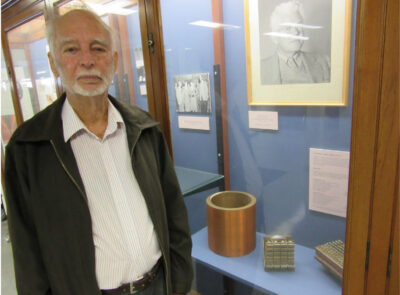
Peter O’Neil Carden, born in Melbourne in 1930, was an innovative Australian electrical engineer and researcher whose career contributed to advances in high-field electromagnets, experimental physics and solar energy technology. His professional journey reflects Australia’s growing scientific capabilities during the second half of the twentieth century.
Following a childhood spent in Sydney and Ipswich, Queensland, Carden received a Commonwealth Scholarship to study electrical engineering at the University of Queensland. Graduating in 1953, he married Shirley Franklin and began working at Mount Isa Mines. He subsequently joined the Weapons Research Establishment in South Australia, developing electronic equipment for experimental Doppler radar systems.
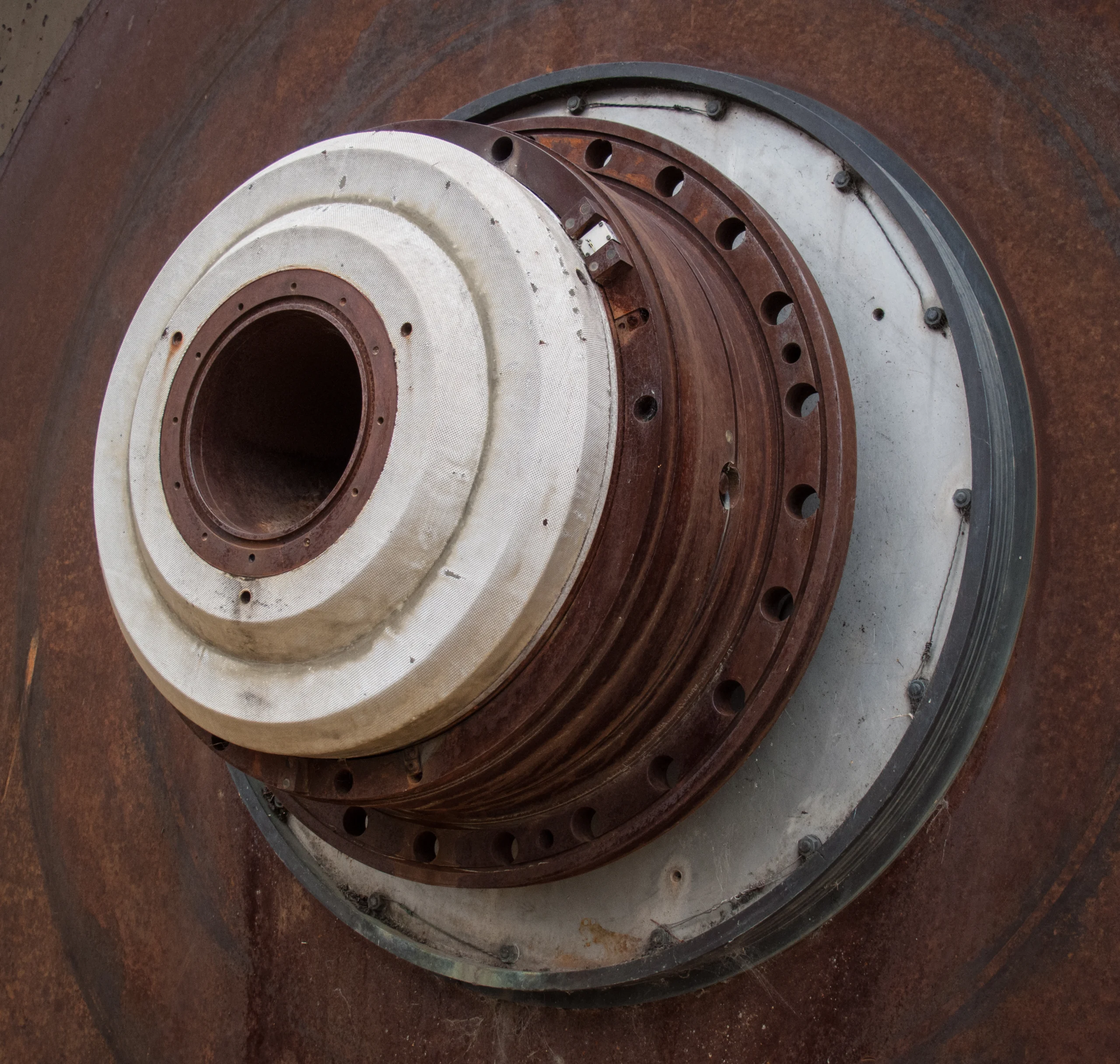
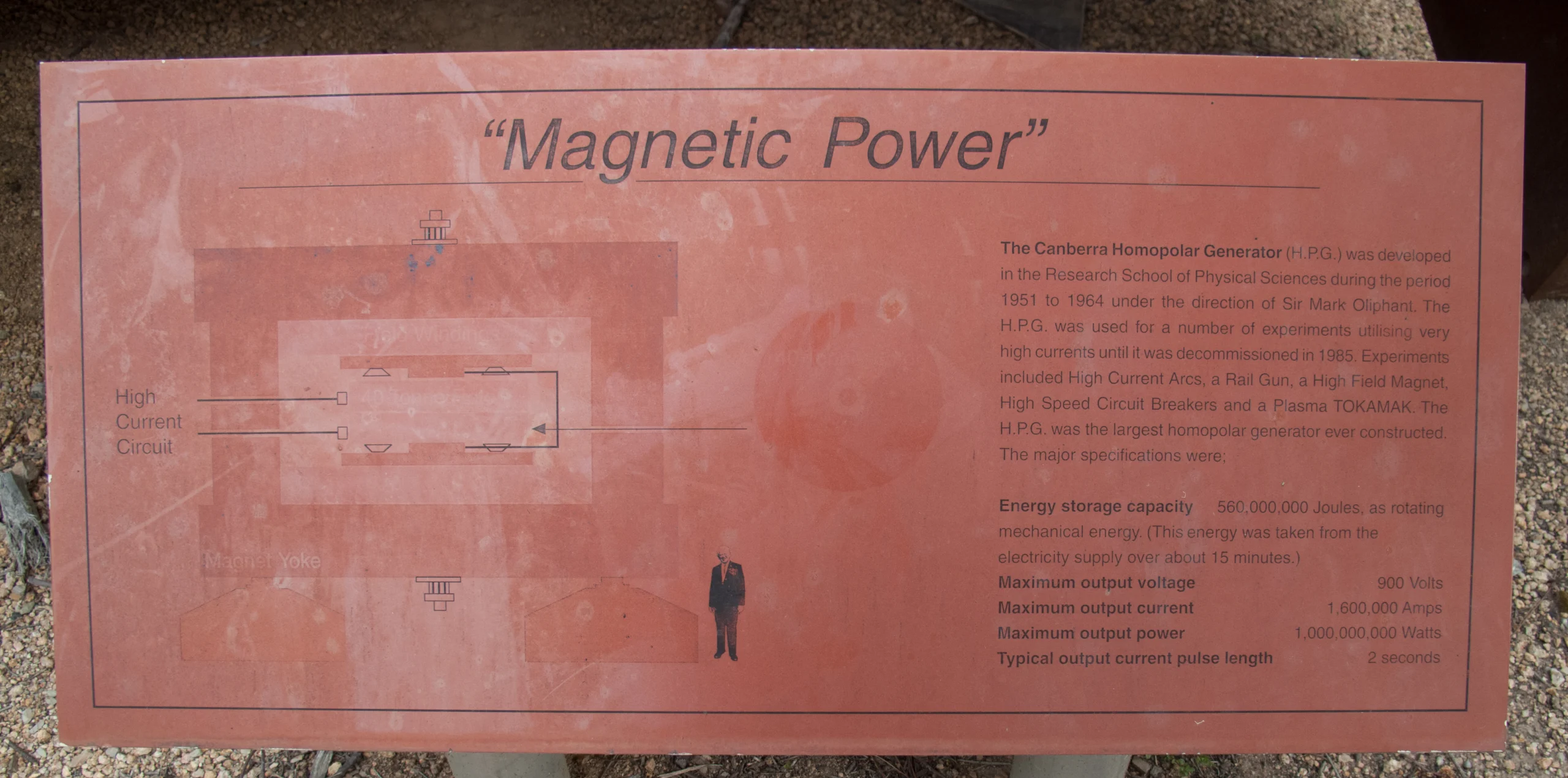
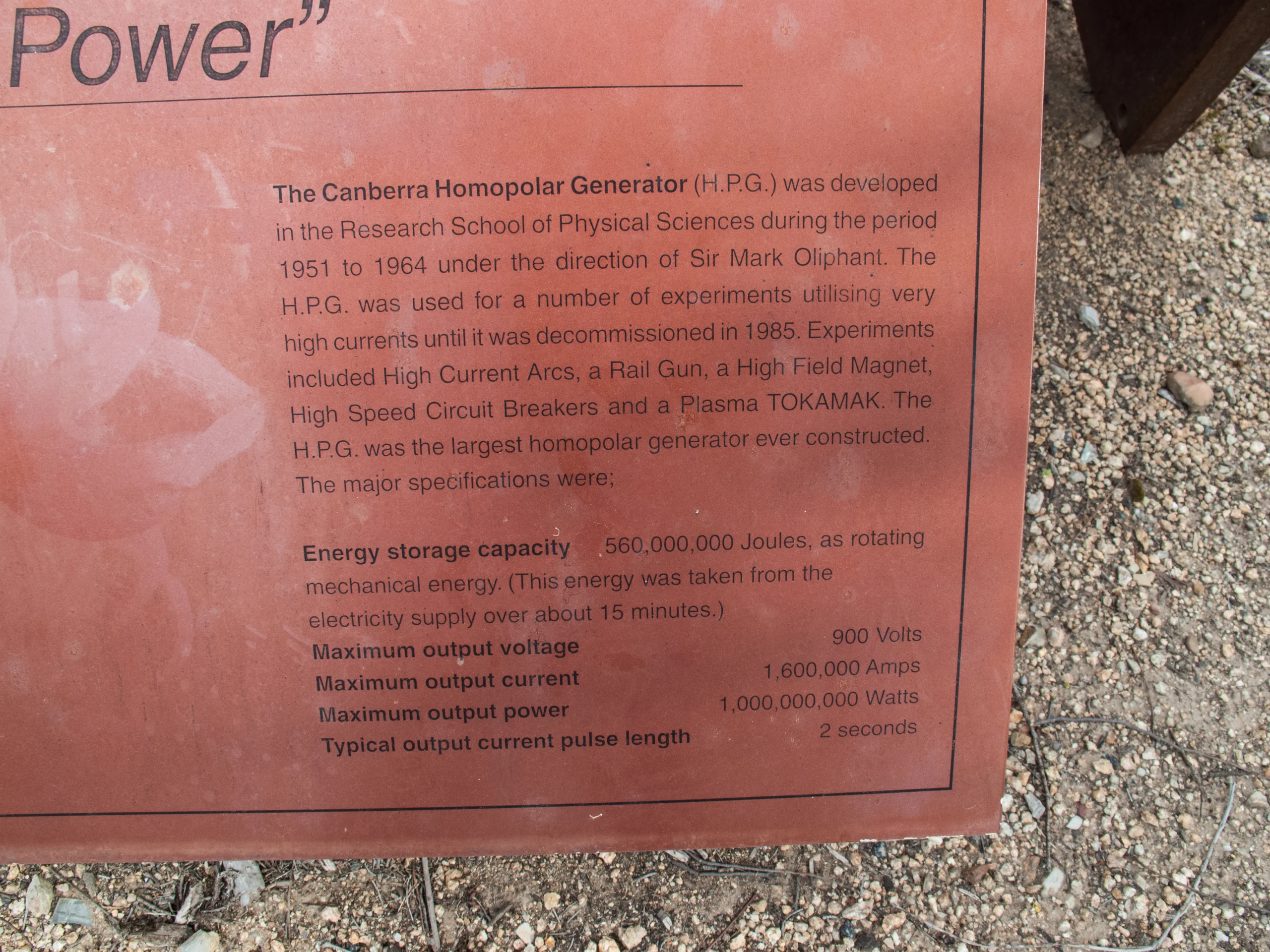
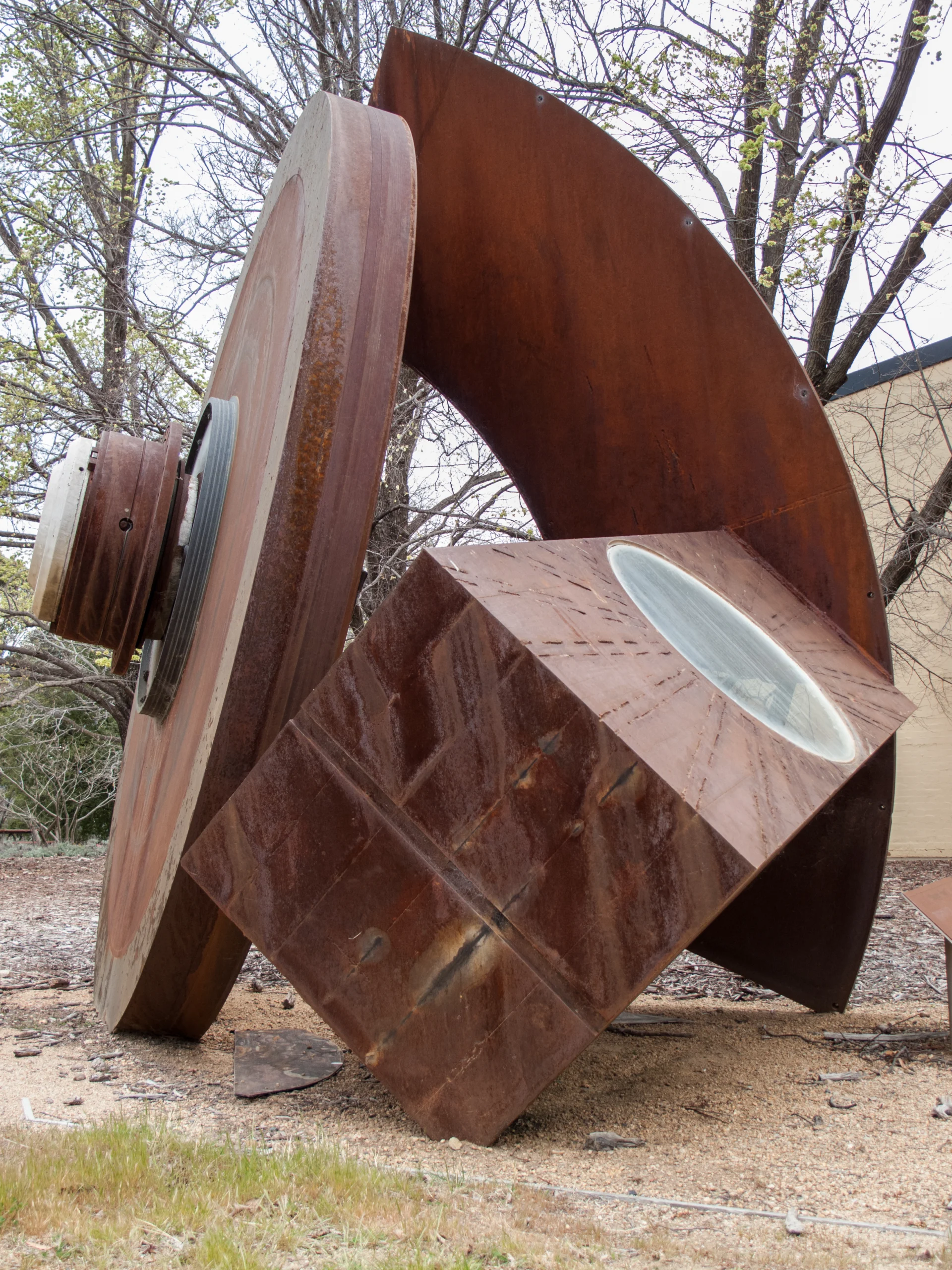
In 1955, Carden joined the Australian National University (ANU) in Canberra, working alongside renowned physicist Sir Mark Oliphant. His initial responsibilities involved developing specialised bearings and mechanical systems for an experimental homopolar generator designed to supply enormous electrical currents to a proposed proton synchrotron.
Although the synchrotron project was eventually abandoned, the generator successfully produced currents exceeding one million amperes. Carden’s engineering contributions earned him a master’s degree and established his reputation in experimental research.
During a sabbatical at the Massachusetts Institute of Technology in 1962, Carden investigated superconducting magnets, developing instrumentation that revealed previously unexplained performance characteristics. Returning to ANU, he led an ambitious project to construct powerful electromagnets for scientific research.
His team developed an innovative nested-coil magnet capable of generating magnetic fields exceeding 30 teslas. This achievement attracted researchers from other Australian universities and demonstrated the capabilities of locally developed scientific equipment.
Carden subsequently collaborated with Oxford Instruments in Britain, designing specialised magnet technology. Together with colleagues, he established Research Technology Canberra to manufacture and export a sophisticated magnet, demonstrating the commercial potential of Australian engineering innovation.
During the 1970s, Carden redirected his attention towards renewable energy, recognising the long-term importance of sustainable electricity generation. At ANU, he pioneered research into large-scale solar thermal systems using sun-tracking parabolic mirrors and investigated ammonia-based chemical energy storage.
His work combined mechanical engineering, thermodynamics, emerging computer technology and robotics. Although funding limitations and technical difficulties constrained several projects, his research contributed to Australia’s early exploration of concentrated solar power and renewable energy storage.
Carden received his PhD from ANU in 1976 for research into high-field electromagnets. He gradually reduced his professional commitments before officially retiring in 1988.
Beyond engineering, Carden and Shirley were committed to environmental sustainability and organic agriculture. They helped establish Canberra’s organic gardening movement before operating an organic farm near Berry, New South Wales.
Returning to Canberra in 2005, Carden maintained interests in beekeeping, constitutional reform and scientific education.
Throughout his career, Carden championed experimentation, teamwork, practical problem-solving and intellectual curiosity. He believed scientific progress depended upon innovative engineering and effective communication. His legacy demonstrates the importance of combining technical expertise with imagination, persistence and a willingness to explore unfamiliar scientific challenges for Australia’s future.
Additional Resources and Media
Peter Carden – Biographical Summary
Papers:
Carden – Peter – Ammonia based Energy Transfer – ANZSES 26 Nov 1987
Carden – Peter – Features of High Field Magnet Lab ANU
Carden – Peter – Hydrogen Storage in Sedimentary Formations – ANU Jan 1977
Carden – Peter – Large Homopolar Generator – pub Nature Jul 1962
Carden – Peter – News Clippings
Carden – Peter – PhD awarded 10 Sep 1976